
Back Pain: Causes, Symptoms, and Effective Treatment Options
Back pain is one of the most common health problems affecting people of all ages. Whether it’s due to long hours of sitting, poor posture, or injury, back pain can significantly impact your daily life. From mild discomfort to severe pain, it can limit mobility, reduce productivity, and affect overall well-being.
In this blog, we will explore the causes, symptoms, and the best treatment options for back pain, along with preventive tips to help you live a pain-free life.
What is Back Pain?
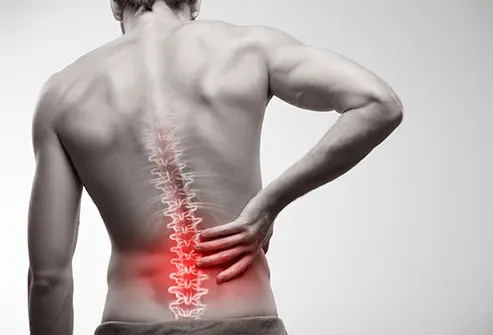
Back pain refers to discomfort or pain felt in the upper, middle, or lower back. It can be acute (short-term) or chronic (long-lasting). Most commonly, people experience lower back pain due to strain or lifestyle habits.
Back pain can range from a dull ache to a sharp, stabbing sensation. In some cases, it may radiate down the legs, indicating nerve involvement.
Common Causes of Back Pain
Understanding the root cause of back pain is essential for proper treatment. Some of the most common causes include:
1. Poor Posture
Sitting for long hours with improper posture, especially while working on a computer or mobile, puts stress on the spine and muscles.
2. Muscle Strain
Sudden movements, heavy lifting, or overuse of muscles can lead to strain, causing pain and stiffness.
3. Herniated Disc
When the soft cushion between vertebrae slips out, it can press on nerves, leading to severe pain.
4. Sedentary Lifestyle
Lack of physical activity weakens the muscles that support the spine, increasing the risk of pain.
5. Injury or Trauma
Accidents, falls, or sports injuries can damage muscles, ligaments, or bones in the back.
6. Age-Related Degeneration
As we age, the spine undergoes wear and tear, leading to conditions like arthritis or spinal stenosis.
Symptoms of Back Pain
Back pain symptoms can vary depending on the cause. Common signs include:
- Persistent aching or stiffness along the spine
- Sharp or shooting pain
- Pain that worsens with movement
- Difficulty standing straight
- Muscle spasms
- Pain radiating to legs (in severe cases)
If the pain lasts for more than a few weeks or becomes severe, it is important to seek professional help.
When Should You See a Doctor?
You should consult a physiotherapist or doctor if:
- Pain persists for more than 2–3 weeks
- Pain is severe and does not improve with rest
- You experience numbness or tingling
- Pain spreads to legs or arms
- There is a history of injury or accident
Early diagnosis can prevent complications and speed up recovery.
Effective Treatment Options for Back Pain
The good news is that most back pain cases can be treated without surgery. Here are some effective treatment options:
1. Physiotherapy
Physiotherapy is one of the best treatments for back pain. It includes:
- Stretching exercises
- Strengthening workouts
- Manual therapy
- Posture correction
A trained physiotherapist designs a personalized treatment plan based on your condition.
2. Pain Relief Techniques
Methods like heat therapy, cold packs, and electrical stimulation help reduce pain and inflammation.
3. Medications
Doctors may prescribe pain relievers or muscle relaxants for short-term relief.
4. Lifestyle Modifications
Simple changes like improving posture, using ergonomic furniture, and maintaining a healthy weight can make a big difference.
5. Exercise and Yoga
Regular exercise strengthens the core muscles and improves flexibility. Yoga helps in reducing stress and improving posture.
Best Exercises for Back Pain
Here are some simple exercises that can help relieve back pain:
1. Cat-Cow Stretch
Improves flexibility and reduces stiffness in the spine.
2. Child’s Pose
Helps relax the lower back muscles.
3. Pelvic Tilts
Strengthens abdominal muscles and supports the spine.
4. Knee-to-Chest Stretch
Relieves tension in the lower back.
Note: Always consult a physiotherapist before starting any exercise routine.
Prevention Tips for Back Pain
Prevention is always better than cure. Follow these tips to keep your back healthy:
- Maintain good posture while sitting and standing
- Avoid prolonged sitting; take breaks every 30–60 minutes
- Use a supportive chair and mattress
- Lift heavy objects correctly (bend knees, not your back)
- Stay physically active
- Maintain a healthy weight
- Avoid smoking, as it reduces blood flow to the spine
Role of Physiotherapy in Back Pain Recovery
Physiotherapy plays a crucial role in both treatment and prevention of back pain. It not only reduces pain but also improves mobility and strengthens muscles.
A physiotherapist focuses on:
- Identifying the root cause
- Designing customized exercise plans
- Improving posture and body mechanics
- Preventing future injuries
With regular sessions and proper guidance, most patients experience significant improvement without the need for surgery.
Conclusion
Back pain is a common issue, but it should never be ignored. With the right treatment, lifestyle changes, and physiotherapy, you can effectively manage and even eliminate back pain.
If you are experiencing persistent back pain, don’t wait for it to worsen. Seek professional help and start your journey toward a healthy, pain-free life.